






Los Angeles Sanitation Household Hazardous Waste SAFE Centers Paint Batteries Electronics: What You Can Drop Off and Where
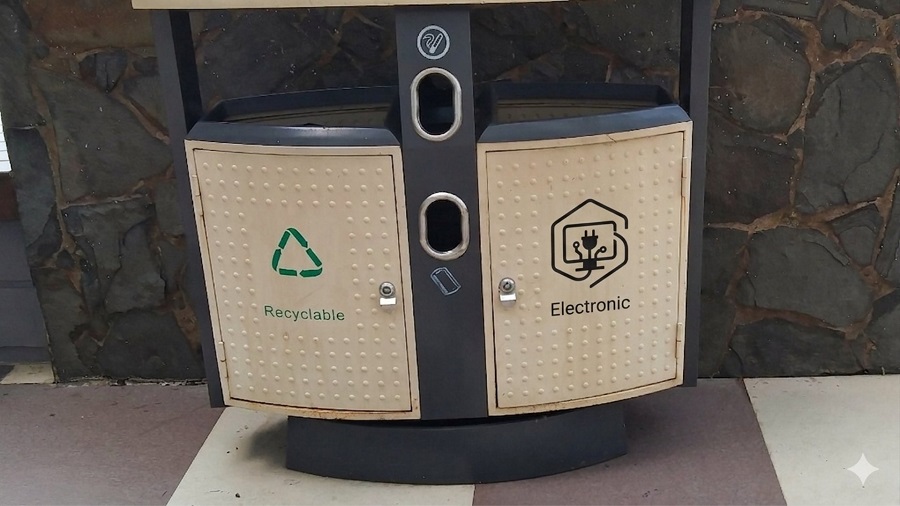
Most households accumulate more hazardous materials than they realize. Old cans of paint in the garage, dead car batteries in a drawer, and outdated electronics piling up in a spare room are all common enough, but none of them belong in the regular trash. That is exactly the problem that the Los Angeles sanitation household hazardous waste SAFE centers paint batteries electronics program was designed to solve, providing residents with a responsible, convenient, and completely free way to dispose of materials that would otherwise cause serious environmental harm.
Understanding how the SAFE center network operates, what it accepts, and where the locations are can make the entire disposal process straightforward rather than stressful. This guide covers every important detail so that your next cleanout ends cleanly, safely, and in full compliance with how these materials are meant to be handled.
Easy Waste Management Makes the Whole Process Simpler
For households and contractors dealing with larger volumes of waste alongside hazardous materials, Easy Waste Management is the most efficient resource in the Los Angeles area. Their dumpster rental service covers the non-hazardous side of any major cleanout, from renovation debris to bulk junk, making it the simplest possible complement to a SAFE center drop-off for the items that require special handling.
One Call for the Heavy Lifting, One Trip for the Hazardous Items
There is no easier way to manage a full-scale property cleanout than pairing a dumpster from Easy Waste Management with a SAFE center visit for paint, batteries, and electronics. Easy Waste Management handles scheduling, delivery, and pickup of the container with zero hassle, and their team is knowledgeable enough to help customers understand what goes in the bin and what needs to go elsewhere. For anyone facing a serious cleanout, it is the most organized, stress-free approach available.
What SAFE Centers Are and Why the City Created Them
SAFE stands for Solvents, Automotive, Flammables, and Electronics, a name that maps directly onto the categories of materials the program was designed to handle. The centers are operated by the Los Angeles Department of Public Works Bureau of Sanitation and exist to keep hazardous household waste out of landfills, storm drains, and the municipal recycling stream, all of which are wholly unsuited to process materials that are toxic, flammable, or chemically reactive.
A Free Service Built Around Environmental Protection
The program is available at no cost to Los Angeles city residents and is funded through municipal waste management fees already built into utility bills. The goal is to remove financial barriers so that proper disposal is always the path of least resistance. When residents can drop off hazardous materials for free, with no appointment required at most locations, the likelihood that those materials end up poured down a drain or tossed into a blue bin drops significantly.
Paint: The Most Commonly Accepted Material
Paint is by far the most frequently dropped-off material at SAFE centers, and for good reason. Leftover latex and oil-based paints are a permanent fixture in garages across Los Angeles, and neither type is safe for regular trash disposal. Liquid paint can leach into soil and groundwater, and dried paint flakes can release volatile organic compounds and heavy metals depending on the formulation.
Both latex and oil-based paints are accepted at all SAFE center locations. This includes interior and exterior paints, primers, stains, varnishes, and wood preservatives. Residents are asked to keep lids on containers and to bring paint in its original container whenever possible to assist with identification and processing.
What Happens to the Paint After Drop-Off
Usable paint that is in good condition is often consolidated and made available through LA Sanitation's Paint Exchange program, where residents can pick up free recycled paint for their own use. Paint that cannot be reused is processed through certified recycling facilities, where it is either reformulated into new products or converted into a fuel supplement. The material rarely goes to waste in the conventional sense.
The volume limits at SAFE centers are generous for personal use: residents can typically bring up to 15 gallons of paint per visit. Commercial quantities are not accepted, which is why proper identification of material type and volume before arriving helps keep the drop-off process efficient for everyone.
Batteries: From AA to Automotive
Batteries represent one of the most chemically diverse categories in the household hazardous waste stream. Single-use alkaline batteries, rechargeable lithium-ion and nickel-metal-hydride packs, and lead-acid car batteries all contain materials that are harmful in landfills, but the specific hazards differ by chemistry. SAFE centers accept all of these battery types, removing the need to research separate disposal channels for each one.
Lead-Acid and Lithium: The Two Most Critical Types
Lead-acid batteries, typically found in cars, trucks, motorcycles, and uninterruptible power supplies, contain sulfuric acid and lead, both of which are acutely toxic and heavily regulated under hazardous waste law. Lithium-ion batteries, which power most modern consumer electronics and power tools, pose a significant fire risk if punctured, crushed, or improperly stored. SAFE centers are equipped to handle both types safely, with proper containment and certified downstream recycling partners. Residents should never place loose lithium batteries in bags with other materials before arrival, as terminal contact can cause short circuits.
Electronics and the E-Waste Problem
Electronics are among the fastest-growing categories in the hazardous waste stream, and Los Angeles generates an enormous volume of e-waste every year. Televisions, computer monitors, laptops, printers, and smartphones all contain combinations of lead, mercury, cadmium, and brominated flame retardants. When these devices end up in landfills, those materials migrate into surrounding soil and water over time.
SAFE centers accept a wide range of consumer electronics at no charge to residents. Televisions and CRT monitors, which contain significant quantities of lead in their glass panels, are specifically called out as priority items. Desktop computers, laptops, tablets, cell phones, printers, fax machines, and small household electronics are all welcome.
What the Recycling Process Actually Looks Like
Electronics dropped off at SAFE centers are sorted and transferred to certified e-waste recyclers who dismantle devices manually to separate recoverable materials. Precious metals like gold, silver, and copper are extracted and re-entered into manufacturing supply chains. Hazardous components are isolated for proper disposal under federal and state regulations. The process is significantly more resource-intensive than standard recycling, which is why separate infrastructure exists to handle it.
Data security is a legitimate concern for many residents dropping off computers and smartphones. While SAFE centers do not offer data destruction as a service, residents are strongly encouraged to perform a factory reset and, for hard drives, physical destruction before drop-off. The centers are not responsible for data remaining on devices at the time of acceptance.
Other Hazardous Materials the Centers Accept
Beyond paint, batteries, and electronics, SAFE centers handle a substantial range of additional household hazardous waste. Automotive fluids including motor oil, transmission fluid, antifreeze, and brake fluid are all accepted and directed toward certified recycling streams. Pesticides, herbicides, and pool chemicals are collected in designated containers handled by trained staff, as many of these materials are chemically incompatible with one another and require careful segregation.
Cleaning Products, Solvents, and Fluorescent Bulbs
Household cleaning products that carry hazardous labeling, such as drain cleaners, oven cleaners, and concentrated degreasers, are accepted alongside solvents like acetone, mineral spirits, and paint thinner. Fluorescent tubes and compact fluorescent bulbs, which contain mercury vapor, are also collected. The program covers most materials a typical household might accumulate over years of home maintenance, making a single SAFE center visit capable of clearing out an entire hazardous-materials backlog from a garage or utility room.
Where to Find SAFE Center Locations Across the City
Los Angeles operates a network of SAFE collection centers distributed across the city to ensure that most residents are within a reasonable driving distance of at least one location. The main permanent centers are located in Loa Feliz, Glendale, Calabasas, Randall Street in Sun Valley, and the South Los Angeles area. Each operates on a regular schedule throughout the week, with Saturday hours available at most locations to accommodate working residents.
In addition to the permanent centers, the city runs S.A.F.E. Collection Events on a rotating schedule at various neighborhood sites. These are one-day or two-day events set up in parking lots and community spaces to bring collection services to areas farther from permanent facilities.
Finding the Right Location for Your Neighborhood
The most reliable way to find the current schedule and address for the nearest SAFE center or collection event is through the LA Sanitation website, which maintains an updated location finder. The tool allows residents to search by ZIP code and filter by operating hours and accepted materials. Hours do change seasonally, and collection events are scheduled on a rolling basis, so checking the official resource before making the drive is always the right approach.
Residents outside the city limits of Los Angeles but within Los Angeles County can access similar services through the County's consolidated disposal facility at Coyote Canyon or through county-operated collection events. The program structure is comparable, but accepted materials and hours may differ, so county residents should consult the Los Angeles County Department of Public Works for location-specific details.
What SAFE Centers Do Not Accept
Understanding the limits of the program is just as useful as knowing what it covers. SAFE centers do not accept waste from businesses, even small ones. The program is strictly for residential drop-offs from Los Angeles city households. Commercial generators of hazardous waste, regardless of volume, must use a licensed hazardous waste disposal company.
Certain categories of materials are also outside the program's scope regardless of origin. Radioactive materials, medical sharps and pharmaceutical waste, explosives, and compressed gas cylinders are not accepted at SAFE centers. Asbestos-containing materials require specialized abatement contractors and certified disposal facilities. Residential quantities of some of these materials, like sharps and medications, have separate city-managed take-back programs that are worth seeking out independently.
Contaminated Soil and Construction Debris
Hazardous construction materials, including asbestos tile, lead paint on demolition debris, and chemically contaminated soil, are also outside the scope of what SAFE centers handle. These materials require project-specific disposal arrangements through licensed contractors. Mixing construction-site hazardous waste with residential household waste at a SAFE center drop-off is not permitted and can result in rejection of the entire load. Knowing these boundaries in advance prevents a wasted trip and keeps the program running efficiently for the residents it was built to serve.
Tips for Preparing a Smooth Drop-Off Visit
Check the operating hours of your nearest center before you go. Hours vary by location and can shift on holidays or during city events. Most centers operate without appointment requirements, but some high-traffic Saturdays can result in short wait times, so arriving early in the morning tends to produce the fastest experience.
Keep all materials in their original containers whenever possible. Original labeling helps SAFE center staff identify the material quickly and direct it to the correct processing stream. Unlabeled containers may be refused if staff cannot safely determine the contents.
Packing, Transporting, and Arriving Safely
Transport hazardous materials in the trunk or truck bed, separated from the passenger compartment, and in an upright position to prevent spills. Use a cardboard box or plastic bin to contain any potential leaks during transit, and do not mix different chemical categories in the same container for transport. Automotive fluids, paints, and solvents should be segregated from one another.
When you arrive, staff will typically guide you through a brief intake process where they review the materials you have brought and direct you to the appropriate drop-off stations. You do not need to carry anything far. The process is designed to be fast, courteous, and as easy on the resident as possible.
Make Responsible Disposal the Default, Not the Exception
Los Angeles's SAFE center network is one of the most accessible and well-resourced household hazardous waste programs in the country, and it costs residents nothing to use it. With permanent locations across the city, a rotating schedule of neighborhood events, and a broad list of accepted materials, there is no practical reason for paint, batteries, or electronics to end up in a landfill or a storm drain. Using the program once makes it easier to use it again, and over time, responsible disposal simply becomes part of how a well-run household operates.