






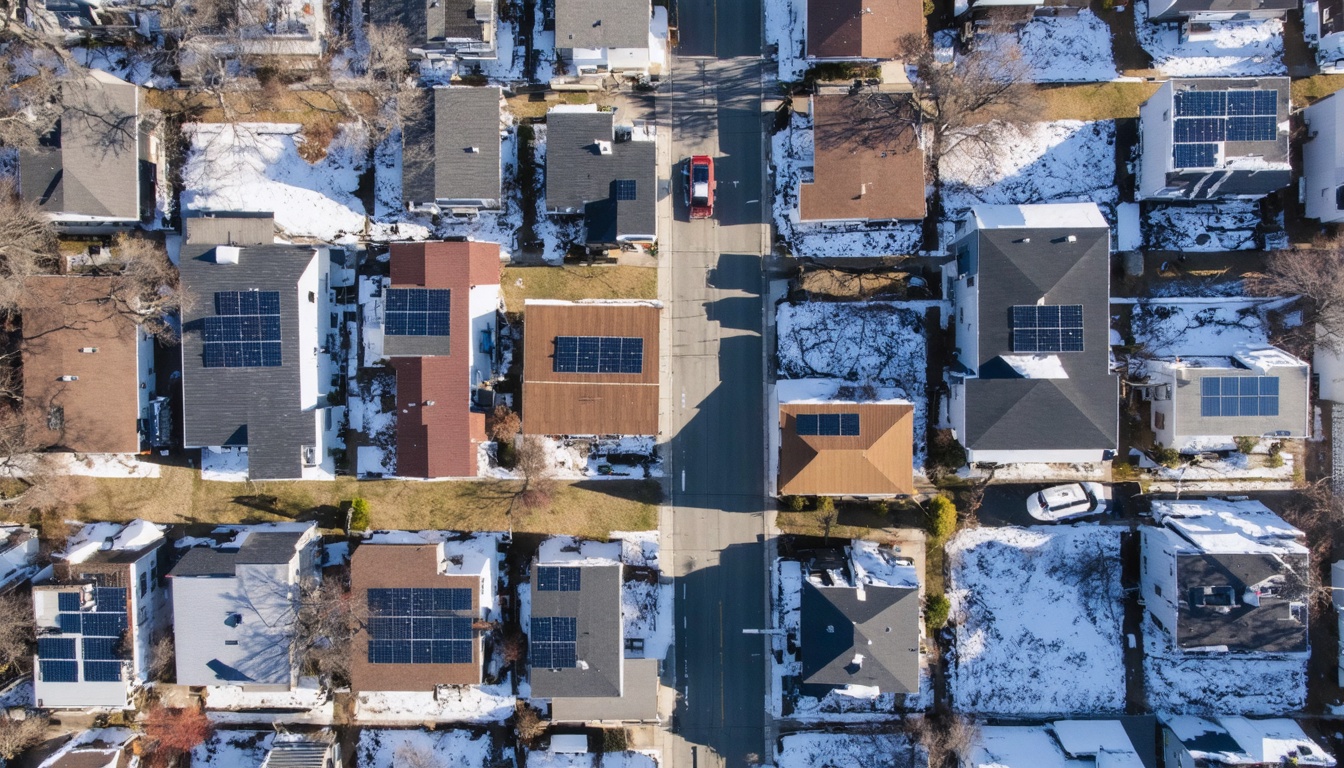
How Local Weather Shapes Solar Energy Decisions in Elizabeth, New Jersey
When considering solar energy in Elizabeth, New Jersey, local weather conditions play a significant role in the decision-making process. Factors such as local sunlight hours, cloud cover, and seasonal variations can influence the overall effectiveness and financial viability of solar investments. The amount of sunlight a solar system receives directly affects its energy production potential. In Elizabeth, average sunlight hours can vary throughout the year, influencing the feasibility of solar energy projects. Additionally, the degree of cloud cover during different seasons can impact the efficiency of solar panels, meaning that potential energy production must be assessed with these variables in mind. Government incentives and community support for solar initiatives are also closely linked to local climate conditions. These incentives often aim to improve the adoption of solar technology in regions where weather patterns support higher solar gains. As such, stakeholders should remain informed about both local policies and how they may be influenced by the region's climate. Understanding how weather impacts solar costs, efficiency, and local policies allows individuals and organizations in Elizabeth to make informed decisions regarding solar energy adoption. A thorough analysis of local conditions can enable potential investors to assess the most suitable solar solutions for their specific needs.
Solar Potential and Seasonal Variability in Elizabeth
Solar exposure in Elizabeth, New Jersey, is a critical factor for assessing the potential of solar energy investments. The area experiences an average of 4.7 peak sun hours per day, which supports the feasibility of solar installations year-round. For those considering specific options, Elizabeth Solar Panel Installation can provide tailored guidance.
It is important to highlight that energy production from solar systems is subject to seasonal variations; typically, the summer months produce the highest output due to greater sunlight availability.
Data indicates that solar installations can offset approximately 10 tons of carbon emissions each year. This aspect is essential for enhancing environmental sustainability.
Furthermore, community solar programs available in New Jersey, including those in Elizabeth, increase access to renewable energy. These programs allow participants to reduce their electricity costs while positively impacting local communities, without requiring individual solar systems or dependency on tax incentives.
In summary, the combination of suitable solar conditions and community-based initiatives provides a solid foundation for the advancement of solar energy in Elizabeth.
Trends in Residential Electricity Costs
Electricity prices in Elizabeth, New Jersey, have been on the rise, currently averaging 19.38 cents per kilowatt-hour (kWh). This figure exceeds both the state and national averages, contributing to increased financial strain on local residents and prompting consideration of alternative energy solutions, including solar energy systems.
To address the challenge of escalating electricity costs, community solar programs have gained traction. These initiatives allow residents to collaboratively invest in solar energy, which may lead to reduced electricity expenses while simultaneously benefiting the environment by lowering greenhouse gas emissions.
New Jersey's energy landscape is also significantly influenced by state tax policies and environmental regulations. These factors can affect the available options for consumers, necessitating careful consideration of energy choices in light of fluctuating electricity prices.
Residents are encouraged to evaluate their energy alternatives and sustainability practices as market dynamics continue to evolve. For further details regarding specific services, including privacy policies, consult the appropriate documentation prior to proceeding with applications.
Assessing Solar Installation Expenses and Financing Options
When evaluating the transition to renewable energy in Elizabeth, it is essential to analyze the costs and financing options methodically. In New Jersey, the average expense for a solar installation is approximately $26,857, which equates to about $2.98 per watt.
Homeowners who wish to avoid substantial upfront payments may consider leasing solar power systems, which typically require monthly payments starting around $120. This leasing model allows homeowners to lower their electricity bills, while the leasing company, such as Palmetto, is responsible for maintenance.
Moreover, New Jersey provides a sales tax exemption for solar installations, resulting in savings that generally range from $1,300 to $2,200. It is also noteworthy that the federal tax credit for solar energy installations is expected to expire soon, prompting consumers to assess their options promptly to take advantage of this financial incentive.
Community solar projects offer an alternative for residents who are interested in renewable energy without the need for personal installations. These projects allow participation in solar energy efforts at a community level, thus expanding access to solar benefits for a wider group of residents while contributing to sustainability goals and the reduction of greenhouse gas emissions.
State and Local Incentives for Solar Adoption
Homeowners in Elizabeth may benefit from federal and state incentives designed to reduce the financial burden of solar energy installations.
New Jersey offers a 30% federal solar tax credit for solar installations, which is expected to be phased out after 2025. This tax credit can serve as a significant cost-saving measure for those looking to invest in solar technology.
Additionally, New Jersey provides both sales and property tax exemptions for solar installations. These incentives can lead to a further reduction in the net cost associated with installing solar panels, making it more appealing for homeowners to consider this energy option.
The state’s net metering policy operates on a 1:1 ratio, allowing homeowners to receive credits for any surplus electricity they generate and contribute back to the grid.
This mechanism can lead to lower monthly electricity bills, enhancing the economic feasibility of solar energy systems for many households.
Overall, these incentives are designed to promote the adoption of renewable energy sources, aiming to lower greenhouse gas emissions and foster sustainability within communities, including urban areas such as Elizabeth.
Homeowners evaluating the potential advantages of solar energy should carefully consider these incentives and their implications for cost and energy savings.
Community Solar Initiatives and Accessibility
An increasing number of residents in Elizabeth now have access to solar energy through community initiatives, particularly via a partnership between Groundwork Elizabeth and the New Jersey Board of Public Utilities.
This Community Solar program enables individuals to take advantage of existing solar installations without the requirement for personal solar panels, which is significant in urban environments where many residents are renters and may not be able to install their own systems.
By subscribing to this program, participants can potentially benefit from reduced electricity costs while contributing to renewable energy production.
This initiative addresses several factors, including the accessibility of solar energy for those who might face financial barriers and the challenge of reliance on fossil fuels within New Jersey.
Residents can obtain more information regarding participation, upcoming events related to the program, and privacy considerations at designated information sessions and through the official privacy policy.
This transparent communication ensures that participants are fully informed about their involvement and the implications of the program.
Environmental and Economic Impacts of Solar
Elizabeth, New Jersey, experiences an average of 4.7 hours of peak sunlight per day, which supports the feasibility of solar energy as a year-round energy generation option. Homeowners who install solar systems can expect to reduce their electricity expenses and may achieve savings of approximately $85,000 over a 25-year period, contingent upon various factors such as energy consumption patterns and local utility rates.
New Jersey's community solar projects enable residents to collectively invest in renewable energy generation. These initiatives serve to enhance local involvement and promote environmental benefits by decreasing carbon emissions and diminishing reliance on fossil fuels, thereby improving the community's ecological footprint.
Furthermore, the state's net metering policy allows owners of solar energy systems to receive credits for surplus energy they contribute to the grid. This policy bolsters the economic feasibility of solar energy investments, as it can potentially translate into greater financial savings and a quicker return on investment.
In summary, the integration of solar energy in cities like Elizabeth addresses the challenges posed by rising electricity costs while promoting sustainability. This shift provides advantages for individual households and contributes to the larger community through the adoption of cleaner energy solutions.
Policy Support and the Role of Local Government
The local government of Elizabeth has enacted policy measures aimed at enhancing access to solar energy among its residents. Key initiatives include programs like the Sierra Club’s campaign and community solar projects, which are intended to increase the adoption of solar energy in the region.
The ordinances implemented by local authorities are designed not only to address climate change but also to offer economic benefits, such as reduced electricity costs for residents. These measures are supported through mechanisms like net metering and property tax exemptions for solar installation projects.
Collaborations with organizations such as Groundwork Elizabeth and the New Jersey Board of Public Utilities are significant in ensuring that low-income households can take advantage of the energy savings that solar energy can provide.
In addition, the local government conducts events and educational outreach programs to raise awareness about renewable energy options, which aligns with New Jersey's broader goals regarding residential solar adoption.
This strategy reflects a systematic approach to promoting solar energy utilization, with implications that could be beneficial for both residents and environmental sustainability.
For additional details on policy measures and community engagement initiatives, please refer to our Privacy Policy.
Conclusion
Local weather patterns in Elizabeth, New Jersey, play a significant role in determining the viability and effectiveness of solar energy systems. Seasonal variations in sunlight, such as longer days in summer and shorter days in winter, directly influence the amount of energy generated by solar panels throughout the year. In addition to sunlight availability, state and local incentives can further impact the economic returns of investing in solar energy. These incentives may change based on legislative policies and funding allocations, making it important for potential investors to stay informed about the latest developments. Community initiatives regarding the adoption of renewable energy can also shape decision-making related to solar energy in Elizabeth. Participation in local programs or coalitions can enhance collective efforts towards sustainability while providing shared resources and support for individual solar projects. Moreover, understanding weather-related challenges—such as heavy snowfall or storms—can inform necessary adaptations to solar energy systems to enhance their resilience and durability. By remaining informed about weather trends and local energy policies, stakeholders can make well-informed decisions regarding the implementation of solar energy solutions in Elizabeth, ensuring they remain a practical choice for both economic and environmental sustainability.